Recipes Log Book for Your KDP Business
The Recipes Log Book is a powerful tool designed to streamline your recipe documentation and organization process. Whether you're a home cook, a food blogger, or a small business owner looking to create content for Amazon KDP, this log book offers a structured approach to managing your culinary creations. Its design makes it ideal for both personal and professional use, allowing you to maintain a detailed record of your recipes while ensuring they are ready for publication.
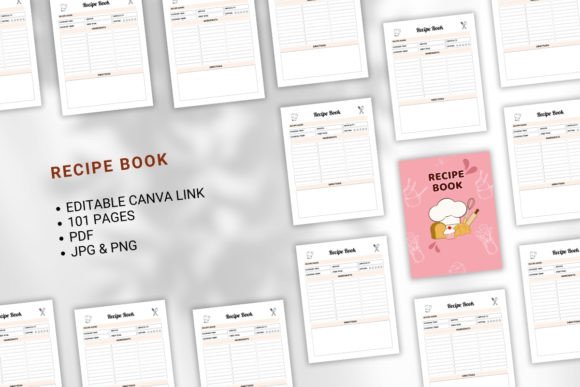
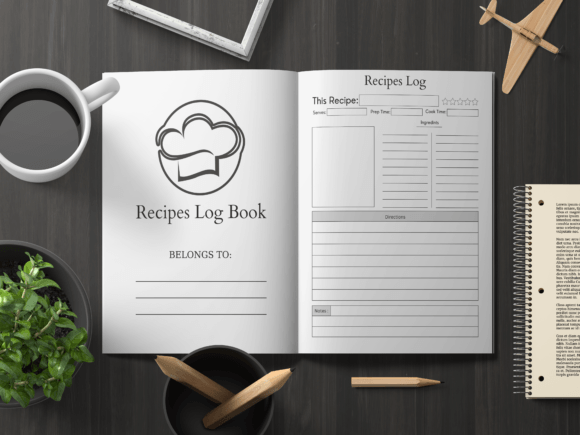
With the right tools, organizing your recipes can become a seamless part of your workflow. The Recipes Log Book provides a clear framework that helps you track ingredients, measurements, cooking times, and notes. This level of detail not only enhances the quality of your content but also ensures consistency across your publications.
How Recipes Log Book Fits Into Your Workflow
The Recipes Log Book can be integrated into various stages of your creative or business process. Before starting a new project, you can use it to plan your recipe collection, ensuring that each entry aligns with your overall goals. During the creation phase, it serves as a central hub for documenting your experiments and adjustments. After completing a recipe, you can refer back to the log to refine or replicate it in the future.
This log book is particularly useful when working on multiple projects simultaneously. It allows you to keep track of different recipe categories, such as breakfast, dinner, or desserts, without confusion. By maintaining a consistent format, you can easily navigate through your entries and retrieve information quickly.
Using Recipes Log Book with Other Tools and Resources
Integrating the Recipes Log Book with other resources can enhance your productivity. For instance, you can pair it with digital recipe management tools or apps that help you organize your cooking schedule. This combination allows you to cross-reference your physical log with digital records, ensuring that all your data is up-to-date and accessible.
Additionally, the log book can complement your content creation efforts. When preparing for a blog post or an Amazon KDP publication, having a well-organized log can save you time and reduce errors. You can extract key details directly from the log, making the writing process more efficient.
Practical Implementation Tips
To get the most out of your Recipes Log Book, consider implementing the following tips:
- Set a routine: Dedicate specific times to update your log, whether it's after each cooking session or at the end of the week.
- Use consistent formatting: Maintain a uniform structure for each entry to make it easier to reference later.
- Add visuals: Include photos or sketches of your dishes to enhance the visual appeal of your content.
- Keep notes: Document any variations or improvements made during the cooking process for future reference.
These practices not only improve the usability of your log book but also contribute to the overall quality of your work. By creating a habit of regular updates, you ensure that your recipes remain organized and accessible.
Workflow Examples and Use Cases
Consider the following scenarios where the Recipes Log Book can be beneficial:
- Recipe Development: When experimenting with new dishes, use the log to track ingredients, cooking methods, and taste tests. This helps you refine your recipes over time.
- Content Creation: As you prepare to write a blog post or create a KDP book, the log can serve as a source of inspiration and a repository of ideas.
- Business Operations: If you're running a food-related business, the log can help you manage your inventory, track customer feedback, and plan future offerings.
- Personal Growth: For hobbyists, the log can be a valuable tool for learning and improving their cooking skills through continuous documentation.
Each of these use cases highlights the versatility of the Recipes Log Book. By adapting it to your specific needs, you can maximize its value and efficiency.
Factors to Consider for Long-Term Use
When using the Recipes Log Book over an extended period, several factors should be considered to ensure its effectiveness:
- Preparation: Start by outlining your goals and determining how you will use the log. This helps you tailor it to your specific requirements.
- Compatibility: Ensure that the log book's format and size align with your existing workflows and tools. The 8.5×11 trim size and 120-page layout make it suitable for a wide range of applications.
- Usability: Choose a log that is easy to navigate and customize. The editable Canva templates allow for flexibility in design and content.
- Organization: Keep your entries well-structured and categorized to prevent clutter and confusion.
- Quality Control: Regularly review your entries to ensure accuracy and completeness. This practice helps maintain the integrity of your content.
By addressing these factors, you can ensure that the Recipes Log Book remains a valuable asset in your workflow for years to come.
Conclusion
The Recipes Log Book is a versatile and practical resource that can significantly enhance your recipe documentation and organization process. Whether you're a seasoned chef or a beginner, this log book offers a structured approach to managing your culinary creations. By integrating it into your workflow, you can improve efficiency, consistency, and quality in your content production.
With its ready-to-use PDF format and editable Canva templates, the Recipes Log Book is an excellent choice for anyone looking to streamline their recipe management. Its design and features make it ideal for both personal and professional use, providing a reliable foundation for your KDP business or creative projects.